


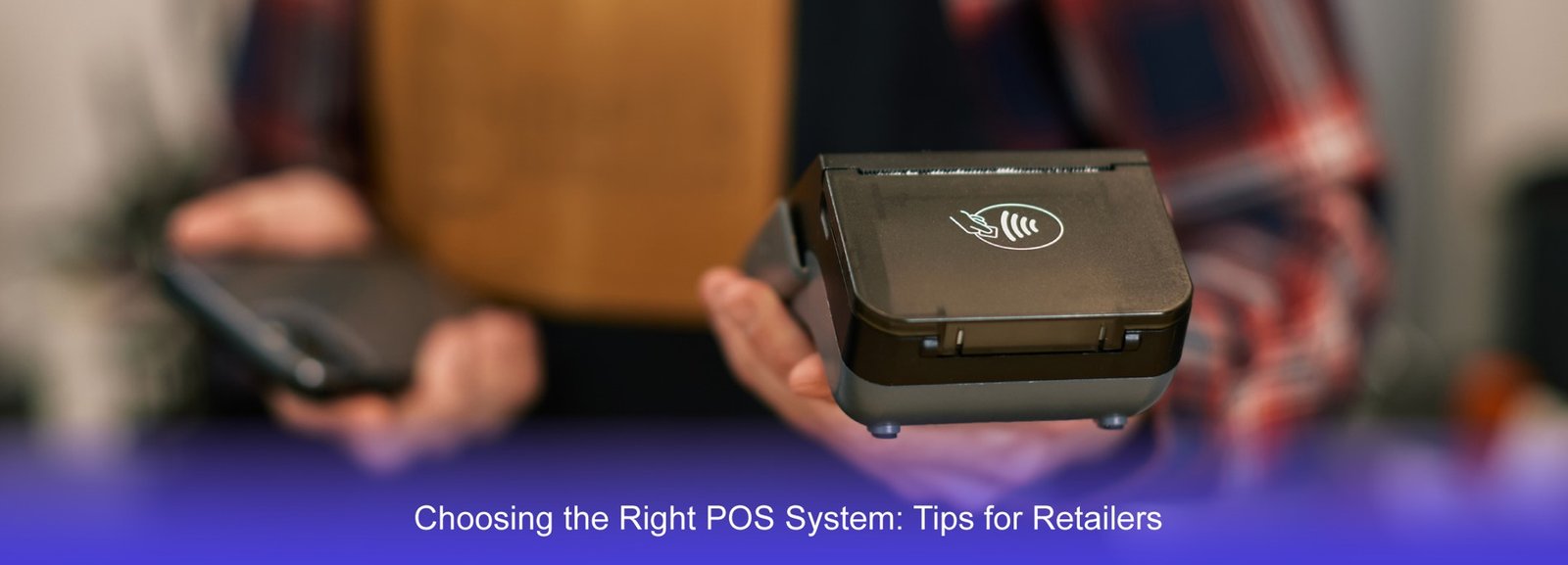
Selecting the right point-of-sale technology is a critical decision for retail businesses. A reliable POS system provider does more than process transactions. It supports inventory accuracy, staff efficiency, customer experience, and long-term scalability.
Retailers today face increasing pressure to operate efficiently while meeting customer expectations across in-store and online channels. Choosing the right system early helps avoid operational friction, costly upgrades, and limitations that can slow growth.
Understand Your Retail Operations First
Before comparing platforms, retailers should clearly understand how their business operates day to day. Store size, transaction volume, product mix, and staffing models all influence which features matter most.
Some retailers need fast checkout and mobile flexibility, while others prioritize detailed reporting or multi-location management. Identifying these needs upfront helps narrow options and avoid paying for features that are rarely used.
A strong all-in-one POS system aligns with current workflows while allowing room for future expansion.
POS System with Inventory Management
Inventory control is one of the most important functions of a retail POS. Poor inventory visibility leads to stockouts, overordering, and lost sales opportunities.
A POS system with inventory management allows retailers to track stock levels in real time, manage product variations, and receive alerts when items need to be reordered. These capabilities help maintain accurate counts across locations and sales channels.
Effective inventory features typically support:
• Real-time stock updates after each transaction
• SKU and variant tracking
• Low stock notifications and reorder thresholds
• Inventory reporting by product, category, or location
Accurate inventory data improves purchasing decisions and customer satisfaction.
Ease of Use for Staff and Management
A POS system should simplify work rather than complicate it. Staff should be able to learn the system quickly and complete transactions without delays.
Retailers benefit from intuitive interfaces, clear workflows, and minimal training requirements. For managers, ease of use extends to reporting, inventory updates, and administrative controls.
Systems that are difficult to navigate often lead to errors, longer checkout times, and frustration for both employees and customers.
Payment Flexibility and Checkout Experience
Modern customers expect multiple payment options at checkout. A POS system provider should support credit cards, debit cards, contactless payments, and digital wallets without friction.
Flexible payment options improve conversion rates and reduce abandoned purchases. Checkout speed and reliability also play a role in customer perception, especially during peak shopping hours.
An all-in-one POS system that integrates payments smoothly helps ensure consistent performance across devices and transaction types.
Reporting and Business Insights
Retail decisions rely on accurate data. Sales trends, product performance, and customer behavior all influence pricing, promotions, and staffing.
A strong POS platform provides clear reporting tools that turn transaction data into actionable insight. Retailers should be able to easily access reports and customize views to their needs.
Useful reporting capabilities include:
• Sales summaries by day, product, or location
• Inventory turnover and aging reports
• Employee performance metrics
• Tax and reconciliation reports
Clear visibility helps retailers make informed decisions faster.
Scalability and Future Growth
Retail businesses evolve over time. A POS system that works for a single store may not support additional locations, higher volume, or ecommerce integration later.
Choosing a POS system provider with scalable infrastructure helps retailers grow without replacing systems. Cloud-based platforms often provide better flexibility for multi-location management and remote access.
Planning for growth early reduces disruption and protects long-term investment.
Support and Reliability
When issues arise, support response time matters. Downtime or unresolved errors can directly impact sales and customer trust.
Retailers should evaluate support availability, response channels, and ongoing service quality. Reliable systems with strong support reduce operational risk and provide peace of mind during busy periods.
A dependable all-in-one POS system combines stable performance with accessible assistance when it is needed.
Frequently Asked Questions
What is the most important feature in a retail POS system?
Inventory management, ease of use, and reliable payment processing are among the most critical features.
Should small retailers choose an all-in-one POS system?
Yes, an all-in-one POS system simplifies operations by combining payments, inventory, and reporting in one platform.
How long does it take to switch POS systems?
Timelines vary, but planning, data migration, and staff training are key factors.
Can a POS system support both in-store and online sales?
Many modern systems support omnichannel selling with integrated inventory and reporting.
How often should retailers review their POS performance?
Regular reviews help identify inefficiencies, training gaps, and opportunities for improvement.
Summary
Choosing the right POS system is about aligning technology with retail operations, customer expectations, and future growth. By evaluating inventory management, ease of use, payment flexibility, reporting, scalability, and support, retailers can select a POS system provider that supports long-term success. A well-chosen all-in-one POS system helps retailers operate efficiently, serve customers better, and adapt as their businesses evolve.
Best POS System Provider
If you are looking for a solid POS system provider, be sure to check out Beyond Bancard. With expert support to ensure your transactions are speedy and safe, you’re in the best of hands with Beyond Bancard – a company you can trust to make your business run smoothly. Call today and see what we can do for you – (844) 365-3050.
